Every parent wants the same thing for their child: to walk into school, a new team or a tough moment and feel like they can handle it. That kind of confidence does not come from being told you are great. It comes from doing hard things and getting better at them.
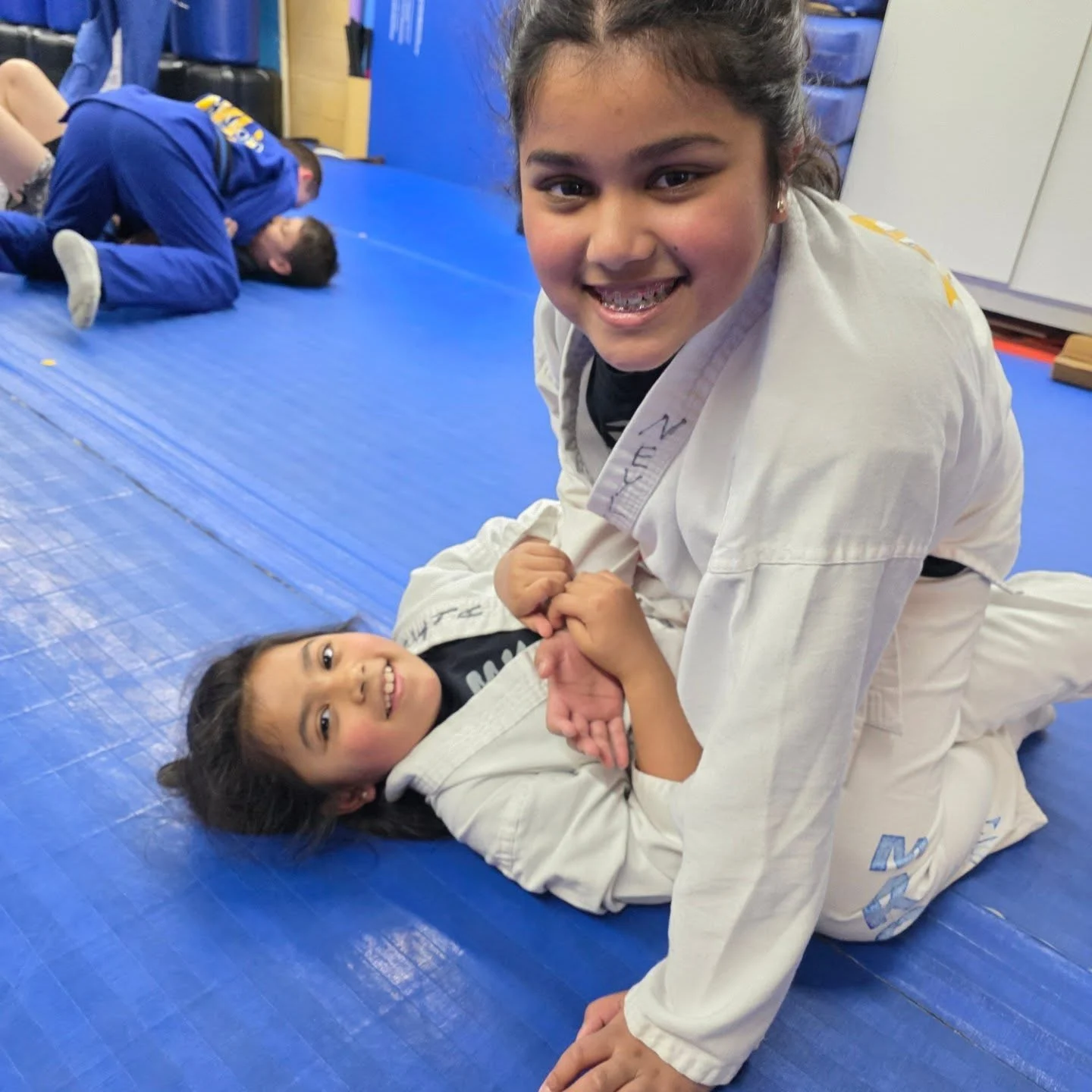
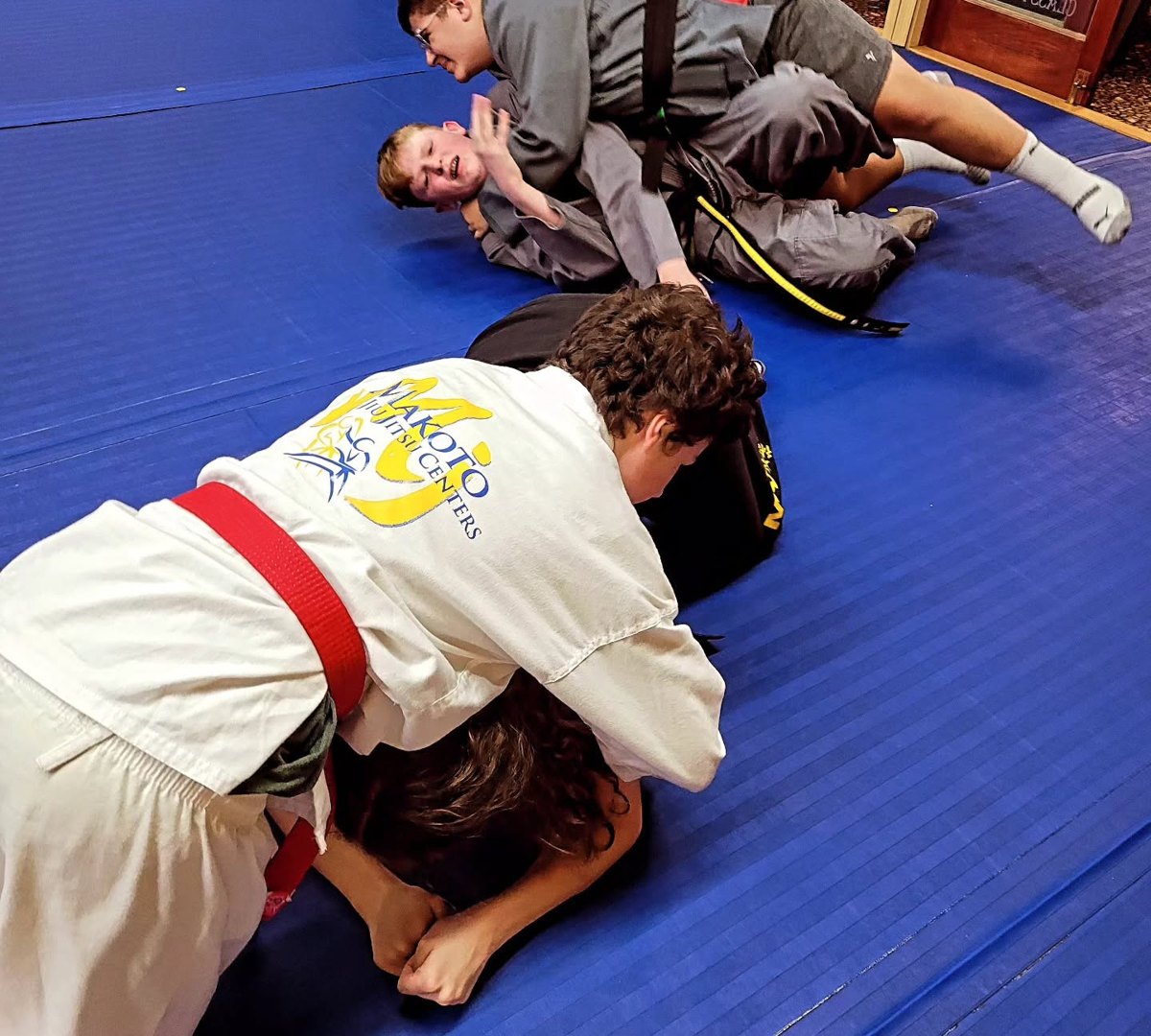
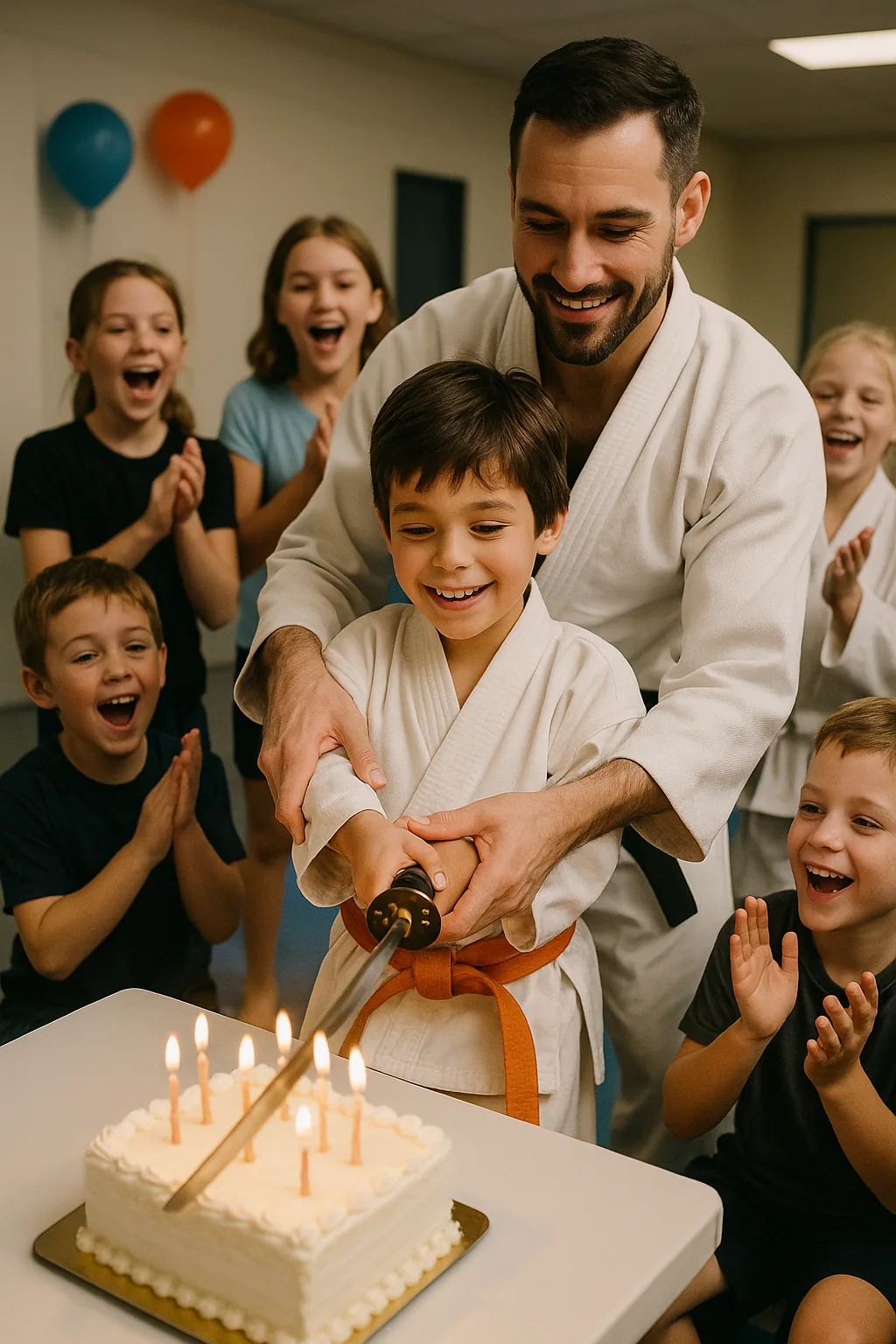
That is why so many Deer Park families choose kids Jiu-Jitsu. It gives 6 to 12 year olds a place to struggle, improve and win, week after week, in a safe and structured room.
In this guide we break down what Jiu-Jitsu does for school-age kids, what a class looks like, how it handles bullying, and how to tell if a school is the right fit.
Why Kids Jiu-Jitsu Works When Other Activities Don't
Plenty of activities keep kids busy. Fewer actually change how a child carries themselves. Jiu-Jitsu has a few traits that make it different:
- Every child gets direct feedback. Techniques either work or they don't, so kids learn to adjust and try again.
- Progress is visible. Stripes and belts give kids clear goals they can see themselves reaching.
- It is individual and team at the same time. Kids earn their own rank while training with partners who help them improve.
- No bench. Nobody sits out waiting for playing time. Every child trains the whole class.
- It works for every body type. Leverage and technique matter more than size or speed.
That last point is big. Kids who never felt like "the athletic one" often find that Jiu-Jitsu finally rewards effort over natural talent.
“My son who is very shy and quiet, is slowly but surely becoming more confident and learning how to stand for himself since he joined here. He loves it here.”
Confidence: Earned, Not Handed Out
Makoto means "sincerity." At our school that means no cookie-cutter belts. Every stripe is earned on the mat, and kids know it. That is exactly why it means something to them.
How earned confidence shows up
- Raising a hand in class instead of hiding.
- Trying out for a team they would have skipped last year.
- Looking adults in the eye when they speak.
- Bouncing back faster after a bad grade or a lost game.
Why it lasts
When a child spends months learning an escape and finally pulls it off, they learn something no pep talk can teach: hard work pays off. That lesson follows them into the classroom and beyond.
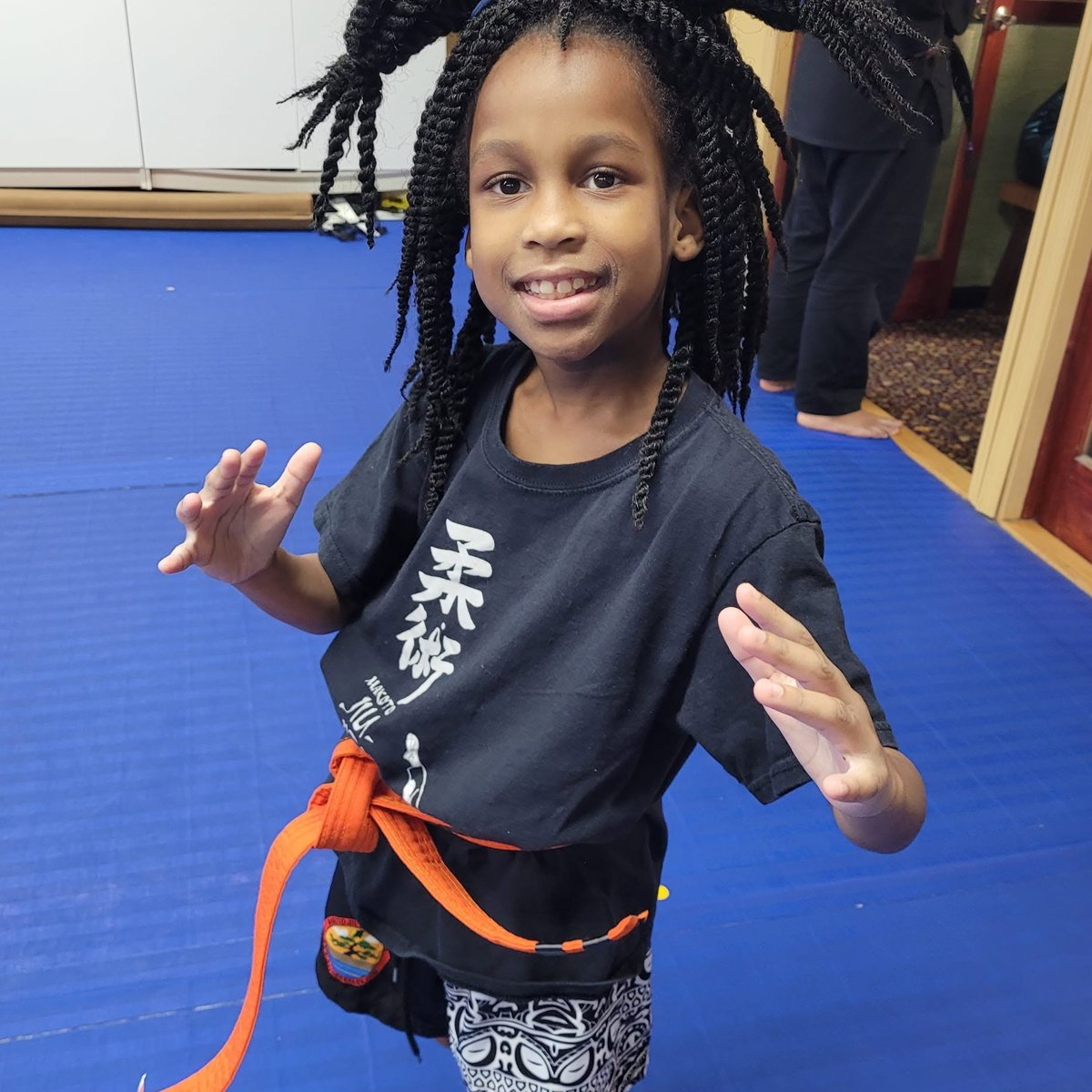
Focus and Discipline That Carry Into School
Jiu-Jitsu asks kids to hold a lot of small details in their heads at once. Where are my hands? Where is my partner's weight? What comes next? That is focus training disguised as fun.
Parents tell us the changes they see most often are:
- Following multi-step directions without needing reminders.
- Sitting still longer during homework and family dinners.
- Better self-control when they are frustrated or tired.
- More respect for teachers, coaches and siblings.
“My 7 year old son started here almost a year ago, and we have seen such an improvement with his confidence and focus. He looks forward to going to class and the instructors are wonderful!”
Kids Jiu-Jitsu and Bullying: Real Self-Defense Without Violence
Bullying is one of the top reasons parents call us. The good news is that Jiu-Jitsu is one of the best answers to it, and not because kids learn to fight.
Confidence prevents most problems
Kids who stand tall, speak clearly and make eye contact are simply less likely to be picked on. Much of our anti-bullying work is about posture, voice and boundaries.
Control instead of striking
If a situation does turn physical, Jiu-Jitsu teaches kids to stay calm, protect themselves and control an aggressor without punching or kicking. That keeps everyone safer and keeps your child out of trouble.
Clear rules about when to use it
Our students learn that technique is only for the mat or for real self-defense. Use your words first, walk away second, tell an adult third. Physical skills are the last resort.
“Our daughter feels confident and welcome here. She is learning tools and skills that give us peace of mind in the unfortunate event that she ever needs to defend herself.”
What a Kids Class Looks Like at Makoto
Our kids classes for ages 6 to 12 follow a steady rhythm so students know what to expect:
- Bow in and warm-up: movement drills, rolls and shrimping to build Jiu-Jitsu-specific strength.
- Technique: one or two positions taught step by step, with instructors walking the room.
- Partner drilling: kids practice the move with a partner, slowly and with control.
- Games and live practice: age-appropriate positional games where kids test what they learned.
- Life skill and bow out: a short talk on respect, effort or kindness before class ends.
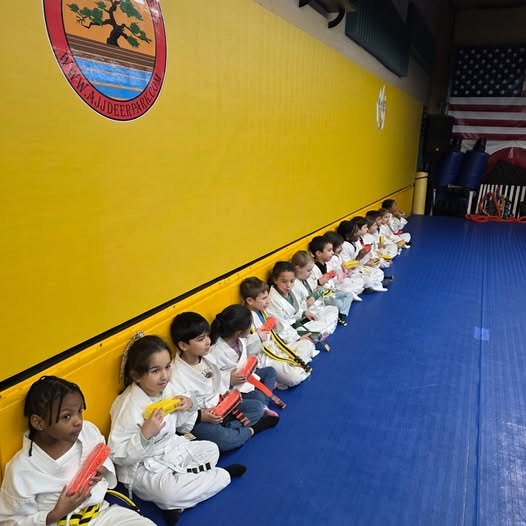
Instructors learn every child's name. Several parents mention this in their reviews, and it matters: kids work harder for coaches who know them.
What Progress Looks Like Month by Month
Every child is different, but here is a rough picture of the first six months:
- Month 1: learning the routine, basic movements and how to be a good partner.
- Months 2 to 3: first stripes, first escapes, and a noticeable jump in confidence.
- Months 4 to 6: linking moves together, helping newer students, and owning the mat.
Some kids stay for years and join our leadership group, helping teach the younger students. That kind of responsibility is powerful for a 10 or 11 year old.
How to Choose a Kids Jiu-Jitsu School
Families visit us from Deer Park and nearby Bay Shore, Brentwood, West Islip and Dix Hills. Wherever you tour, ask these questions:
- Who teaches the kids classes, and how long have they trained?
- Are kids grouped by age and size?
- How do you handle a nervous first-timer?
- How are belts and stripes earned?
- Can we try classes before signing up?
How Parents Can Support Progress at Home
Kids get the most out of Jiu-Jitsu when the lessons from the mat are reinforced at home. You don't need to know a single technique to help.
Praise effort, not results
Instead of asking "did you win?", ask "what was hard today?" or "what did you get better at?" Kids who are praised for effort keep trying when things get tough.
Protect the schedule
Consistency is the single biggest factor in progress. Treat class like school: it happens unless something important gets in the way.
Use the mat words at home
Many families borrow the language of class. "Show me your focus," "be a good partner," and "try again" all carry extra weight when kids hear them from both their instructor and their parents.
Watch a class now and then
Kids light up when a parent sees them land a move they've been working on. You'll also get a clearer picture of what they're learning.
Beyond the Mat: Friendships and Leadership
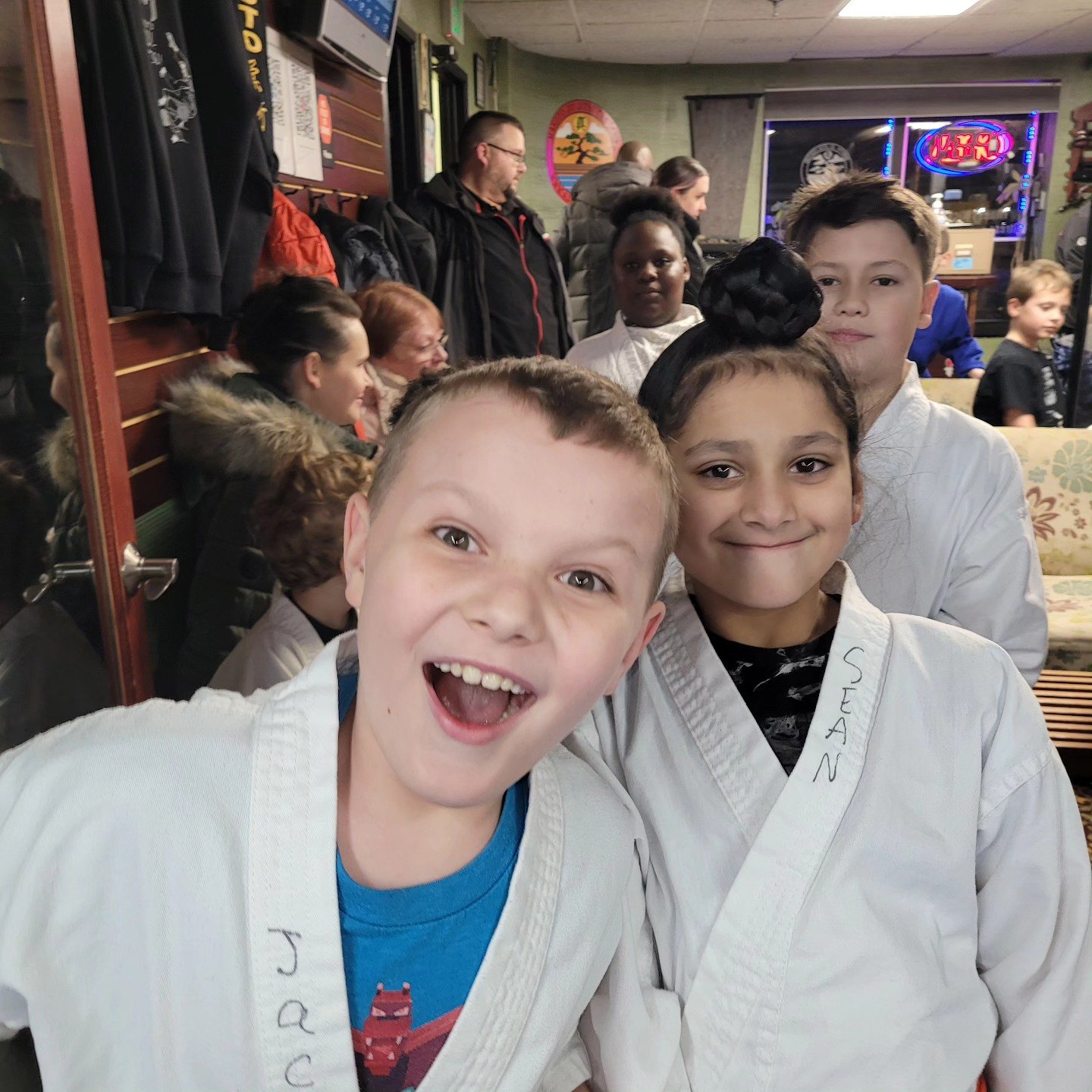
One of the most underrated benefits of kids Jiu-Jitsu is the friendships. Training with the same group every week builds a bond that is different from a school friendship. Kids help each other, cheer for each other's stripes, and learn to win and lose gracefully.
As students get older and more experienced, many step into a leadership role. They demonstrate techniques, help new students tie their belts and partner with nervous first-timers. One parent shared that her daughter "loves teaching and helping out the younger kids." That sense of responsibility is something many 10 and 11 year olds never get to experience anywhere else.
Signs Jiu-Jitsu Is Working for Your Child
Belts are one measure of progress, but they are not the only one. Watch for these quieter signs at home:
- They talk about class on the drive home without being asked.
- They remind you when it's a class day.
- They handle a frustrating moment with a deep breath instead of a meltdown.
- They show a younger sibling or cousin how to do a move, gently.
- They stand a little taller when they meet new people.
If you see two or three of these, the mat is doing its job, whether a new stripe is on the way or not.
Frequently Asked Questions
What age is best to start Jiu-Jitsu?
Ages 6 to 12 are a great window because kids can follow sequences and remember techniques. Younger kids start in our Little Dragons program.
Is Jiu-Jitsu safe for kids?
Yes, when it is taught well. Kids train on soft mats, practice slowly with partners and follow strict safety rules. Instructors supervise every drill.
Is Jiu-Jitsu better than karate for kids?
Both can be great. Jiu-Jitsu focuses on control and leverage rather than striking, which many parents prefer for self-defense and bullying situations.
How many classes a week should my child take?
Two classes a week is a good place to start. It is enough to build skill and confidence without overloading a busy schedule.
My child has tried other activities and quit. Will this be different?
We cannot promise, but visible progress and coaches who know your child by name keep a lot of kids hooked. The trial is the easiest way to find out.
Give Your Child a Strong Start
If you are ready to see what Jiu-Jitsu can do for your child, start with our intro offer: $14 for 14 days of classes + free t-shirt, backed by a 30-day money-back guarantee.
Explore the kids martial arts program, meet Shihan Jerry Minerva on our about page, or read dozens of real parent stories on our reviews page.
New Student Experience
Ready to See It In Person?
14 Days of Classes + Free T-Shirt — $160 $14